Introduction
Your walls set the tone for your entire home. They can make a space feel warm, stylish, or overwhelming if not handled carefully. Many homeowners struggle with finding the right balance. Too little decoration feels empty, while too much creates visual chaos. This is where learning how to decorate your walls without overdoing it becomes essential.
A well-decorated wall should feel intentional, not crowded. It should guide the eye naturally and complement your furniture instead of competing with it. When done right, wall décor enhances comfort and personality without overwhelming the space.
In this guide, you will learn how to decorate your walls without overdoing it using practical, modern, and easy-to-follow ideas. These principles work for living rooms, bedrooms, hallways, and even office spaces.
Understanding the Balance of Wall Decoration
Before placing anything on your walls, it is important to understand balance. The goal is not to fill every empty space. Instead, the goal is to create harmony between empty areas and decorated sections.
Minimal negative space can actually improve the look of your room. It gives your eyes a place to rest. This is one of the most important ideas when learning how to decorate your walls without overdoing it.
A good rule is to treat your walls like a canvas. Every piece you add should have a reason. If it does not add value, style, or meaning, it may be better to leave it out.

Start with a Clear Focal Point
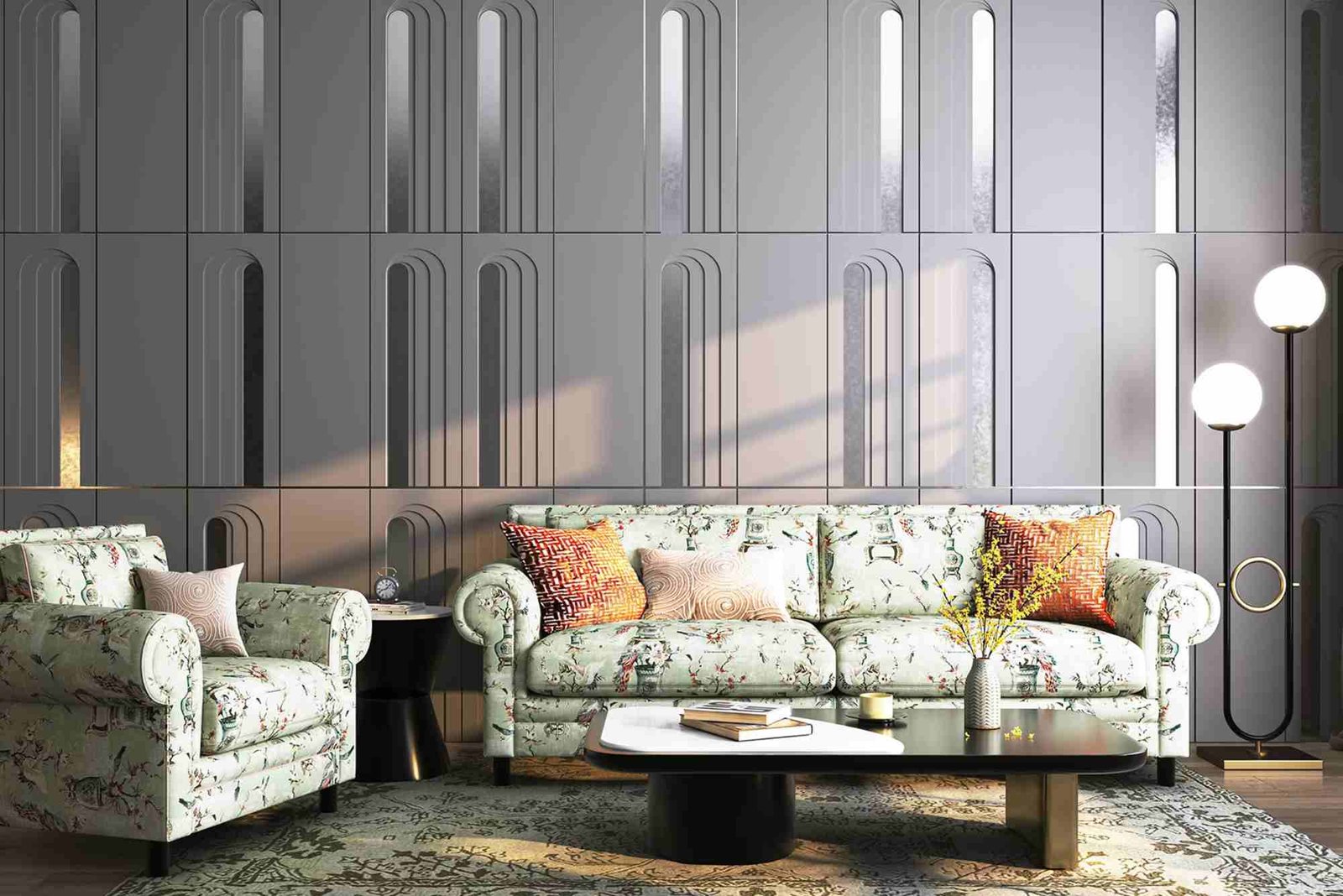
Every well-decorated wall needs a focal point. This is the area that naturally draws attention first. It could be a large painting, a mirror, or even a textured wall panel.
When you create a focal point, you avoid clutter. Instead of spreading small items everywhere, your eyes are guided to one strong visual anchor.
For example, in a living room, a large artwork above the sofa works perfectly. In bedrooms, the headboard wall can serve as the focal point. Once this is set, everything else should support it rather than compete with it.
This step is essential in understanding how to decorate your walls without overdoing it because it simplifies your entire design process.
Use Minimal Art Pieces for Maximum Impact
One of the most common mistakes in home decoration is using too many small frames. While each piece may look nice individually, together they can create visual noise.
Instead, choose fewer but larger pieces of art. Large artwork feels more intentional and modern. It also creates a sense of sophistication.
You can also group two or three pieces that follow a theme. Keep spacing consistent so the arrangement feels clean and organized.
When you limit the number of items, you naturally improve your ability to decorate your walls without overdoing it.
Choose a Consistent Color Palette
Color plays a major role in wall decoration. If every frame, poster, or shelf has a different tone, the wall will look messy.
A consistent color palette helps create unity. Neutral tones like beige, white, grey, and soft earth colors work well for calm interiors. If you prefer bold designs, stick to two or three main colors.
Matching wall décor with your furniture also improves harmony. For example, if your sofa is neutral, you can add slightly darker wall accents for contrast.
Keeping colors consistent is a subtle but powerful strategy in learning how to decorate your walls without overdoing it.
Embrace Negative Space
Empty wall space is not wasted space. In fact, it is a key part of good interior design. Many people feel pressure to fill every corner, but this often leads to overcrowding.
Negative space helps highlight what is already on the wall. It gives structure and makes the décor feel more expensive and intentional.
Think of it like breathing room. Without it, your design feels tight and uncomfortable. With it, everything feels balanced and visually pleasing.
Understanding this concept is crucial when mastering how to decorate your walls without overdoing it.
Mix Textures, Not Just Objects
Instead of filling your wall with many different items, focus on mixing textures. This could include wood, fabric, metal, or ceramic elements.
For example, a wooden wall shelf paired with a fabric wall hanging can add depth without clutter. Similarly, a metal wall clock combined with a soft canvas painting creates contrast.
Texture adds richness without requiring too many items. This makes it a smart approach for anyone learning how to decorate your walls without overdoing it.
Keep Wall Shelves Simple
Wall shelves are often overused. Many people fill them with books, plants, photo frames, and souvenirs all at once. This creates a crowded look.
Instead, keep shelves minimal. Use a few carefully selected items with space between them. Group objects in odd numbers, such as three or five, for a natural look.
Leave some shelves partially empty. This enhances balance and prevents visual overload.
Simple shelving is one of the easiest ways to apply the idea of how to decorate your walls without overdoing it in real life.
Use Mirrors to Open Up Space
Mirrors are a powerful tool in wall decoration. They reflect light and make rooms feel larger and brighter.
A single well-placed mirror can replace multiple decorative pieces. It adds elegance without cluttering the wall.
However, avoid using too many mirrors in one space. One or two is usually enough. Overuse can create confusion instead of beauty.
This technique is especially useful in smaller homes where space management is important.
Focus on Proportion and Scale
Proportion is often ignored but very important. A small frame on a large empty wall looks lost. Similarly, an oversized piece in a small room feels overwhelming.
Always match the size of your décor with the size of your wall. Large walls need bold elements. Small walls need subtle designs.
Keeping proper scale ensures your design feels natural. It also helps you maintain control over how to decorate your walls without overdoing it.
Add Personal Touches Carefully
Personal items like photos, souvenirs, or handmade crafts make your space unique. However, too many personal items can make your wall feel cluttered.
Choose a few meaningful pieces instead of displaying everything. Rotate items occasionally to keep the design fresh.
A curated personal wall feels more elegant than a crowded one. It shows personality without chaos.
Lighting Enhances Wall Design
Lighting plays a silent but powerful role in wall decoration. Proper lighting highlights your décor and creates depth.
Wall-mounted lights or subtle LED strips can enhance artwork or textured walls. However, avoid overly bright or colorful lighting that distracts from the décor.
Soft, warm lighting usually works best for balanced interiors. It supports the idea of how to decorate your walls without overdoing it by enhancing rather than overpowering.
Conclusion
Decorating your walls is not about filling every empty space. It is about creating balance, meaning, and harmony. When you understand how to decorate your walls without overdoing it, you begin to see your home differently.
Each wall becomes an opportunity to express style with restraint. By focusing on focal points, using fewer items, maintaining color consistency, and embracing negative space, you can achieve a clean and elegant look.
Remember, simplicity is not emptiness. It is thoughtful design.
Top Home Styling Tips for Better Room Balance help you create a well-organized and visually pleasing space without clutter. By focusing on color harmony, furniture placement, lighting, and proportion, you can achieve a balanced interior design that feels both comfortable and stylish. It focuses on smart furniture arrangement, soft lighting choices, and minimal decoration to avoid overcrowding while maintaining elegance.
FAQs
What is the best way to decorate walls without making them look crowded?
The best way is to focus on fewer, larger pieces and leave enough empty space. This helps maintain balance and avoids visual clutter.
How many pictures should be on a wall?
It depends on the wall size. However, three to five well-arranged pieces are usually enough for most spaces.
Is it better to leave walls empty or decorate them?
A mix of both works best. Empty space is important for balance, while a few well-chosen decorations add personality.
What colors work best for wall decoration?
Neutral colors like white, beige, and grey work well. You can add accent colors for contrast but avoid using too many tones.
How do I choose a focal point for my wall?
Choose the most visually strong element, such as a large artwork, mirror, or textured panel, and build your design around it.

Admin
Senior editor and researcher covering lifestyle, industry innovations, and digital culture at Within Beautys.